Credibility over celebrity
Relevant professional trust is worth more than unrelated follower volume.
 Better MindsOrganic launch hubLaunch checklist
 A 12-week, organic-first route from specialist credibility to real product use—and then to qualified emergency-services and workplace conversations.
Relevant professional trust is worth more than unrelated follower volume.
Every post must leave the audience with something valuable before it asks for action.
Show exactly what Ren does, what is still in beta, and where Better Minds stops.
Build a repeatable audience and buyer narrative rather than buying a temporary launch peak.
Each phase earns the right to move forward. The team scales what people use, trust and return to—not what merely looks busy.
Introduce the problem Better Minds understands through trusted specialist voices and lived workplace realities.
One batch capture and approved asset pack per specialist
Session snippets and recording-day B-roll bank
Gareth + Kainne founder story and history cuts
Comment and question capture log
Continue when saves, shares and meaningful replies show topic fit—not because follower totals look large.
£0 means no paid media or new software spend—not zero effort. Use the equipment and Microsoft tools already available, batch the work and protect professional approval time.
A planning target, not a production guarantee. Quality and truthful use come before volume.
An 8–20 second captioned moment from an approved session—never an unaudited title or mechanism claim.
A 30–60 second piece to camera explaining the moment it is designed for, the choice the person retains and its limit.
A synthetic screen demonstration showing how the person finds, starts, pauses or leaves the current session.
Script review, microphone setup, sound checks, retakes, quiet preparation and the team listening back.
Gareth or Kainne explains why the experience was built and what the team learned—without making a treatment claim.
One audience concern, one professional insight, one verified Ren moment and one honest boundary.
Batch natural answers, session excerpts, founder pieces and vertical B-roll in one focused recording block.
Create an anchor film, short cutdowns, a still or carousel pack, story prompts and clean caption files.
The contributor approves their words and presentation; Better Minds checks product truth, privacy, rights and release status.
Let the most credible voice publish natively, then adapt—not duplicate—the asset across Better Minds, founders and B2B channels.
Log completion, saves, shares, useful questions, clicks and qualified conversations. Feed the learning into the next brief.
Better Minds publishes three anchor pieces across the week: one product proof, one professional perspective and one founder/build story. Each professional is asked for one strong native post every two weeks, supported by comments, Stories and thoughtful cross-talk—not identical captions everywhere.
One real current Ren interaction, demonstrated with a synthetic profile and a clear boundary.
A specialist explains the audience problem in their natural voice and why better context helps human support.
Gareth or Kainne explains the purpose, history, decisions and care behind Better Minds—without turning personal experience into clinical proof.
One editor, one controlled asset home, native publishing and native measurement. Add paid software only after the system proves a genuine constraint.
Use the existing work account where available. Auto-captions use cloud processing, so only upload approved marketing footage.
Official plans ↗The free version is sufficient for the first launch and keeps the master-edit option in-house.
Official free version ↗Use the Microsoft 365 environment already available; route claim and brand/privacy approval through one recorded workflow, not scattered messages.
Official approvals guide ↗Start without a paid scheduler. Keep one shared calendar and one named publisher for each channel.
Example: LinkedIn scheduling ↗Recording-day energy is valuable; private human material is not marketing inventory.
The launch becomes stronger when each person owns the subject where their professional authority is most relevant.
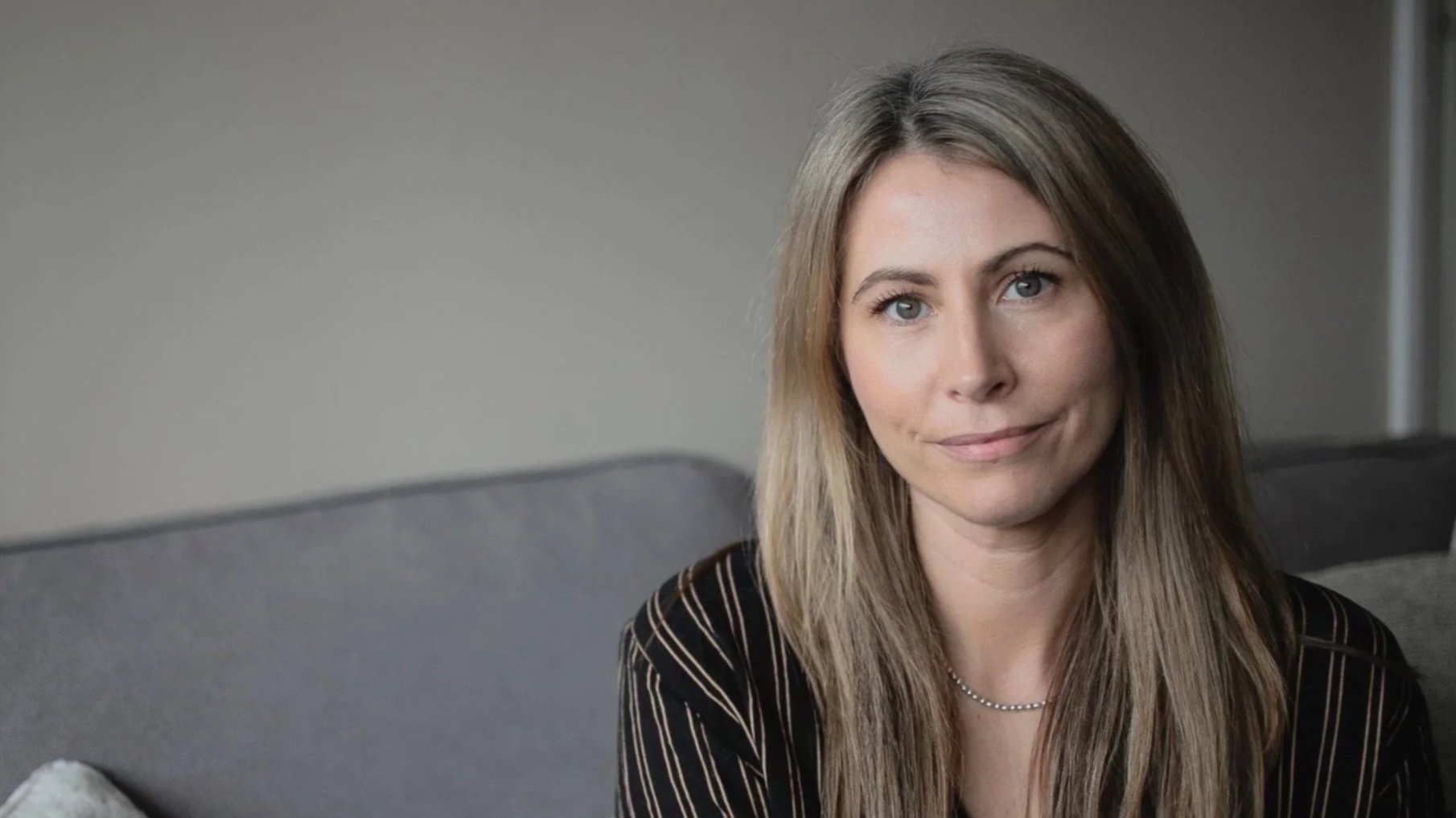
Caroline presents as the measured clinical authority. Her feed is structured and editorial: quiet colours, large educational headlines and captions that explain the mind–body link before offering a low-pressure next step.
Blush, stone and cream templates; bold type-led carousels; clinic imagery; occasional direct-to-camera reels.
Longer, reassuring explanations. She names the mechanism, normalises the experience, adds nuance and closes with a gentle invitation.
A five-frame “what is happening / what may help / when to seek care” carousel, followed by a calm 60-second expert explanation.
Clickbait, compressed trauma claims, crisis content without signposting, or any suggestion that Ren provides psychotherapy.
The clearest visible response came from mind–body and unresolved-trauma explanation. Direct clinic-availability promotion was the weakest item in this sample.
Directional public sample only: Instagram does not expose saves, shares, completion, unique viewers or follower geography here. This is a content-learning baseline—not a full native analytics report or a forecast.
Adults experiencing anxiety, panic, intrusive thoughts or disconnection—and the people supporting them.
Show Ren as a private first step for reflection, grounding and signposting—not as a replacement for therapy or emergency support.
Her official site, professional listings and public Instagram support her credentials, specialist positioning and observed style. Better Minds participation, deliverables and asset permissions still need written confirmation.
1 anchor post + 1 response post each fortnight
The professionals are co-creators, not borrowed follower inventory. Scope, credit, reuse rights, publication approval and the promised return are agreed before the camera turns on.
One short monthly capture, approval of anxiety and trauma-sensitive wording, and targeted review of safety, pacing and signposting content.
Calm, professionally designed clips and carousels she can reuse; visible authorship, profile attribution and a clear record of the audience questions her content earns.
One useful audience-first idea, one truthful Ren bridge, a credited reusable asset pack, a trackable route and clear learning about what genuinely resonated.
Do not publish if the post relies only on reach, gives the contributor no reusable value, blurs their professional scope or creates attention without a useful next step. Better Minds does not guarantee followers, referrals or commercial outcomes.
These are editorial directions, not finished clinical copy. Every specialist approves their own wording before publication.
Useful in its own right. Human in tone. One product moment. One bounded claim. One clear next step.
“When anxiety makes you feel disconnected from yourself, it can be frightening—but the experience has a name and support is available.”
When the nervous system stays on alert, ordinary sensations can feel frightening. Ren can give you a private place to notice what is happening, try a short grounding prompt and decide what support comes next—without pretending to replace professional care.
Across ordinary days, the person can capture user-controlled context, notice what has changed and prepare an editable account in their own words. That can reduce avoidable repetition and give a chosen specialist a clearer starting point.
They decide what to record, correct, delete, keep off the record or share.
Conversation, logs and selected summaries can become a clearer user-reviewed picture.
The specialist still asks, assesses and decides what care or support is appropriate.
Say “less avoidable repetition” and “better prepared”—never promise that someone will not need to revisit their history or that Ren replaces professional assessment.
Caroline can calmly explain why listening, naming the experience and preserving choice are important before any practical next step.
In the current beta, Ren classifies the conversation before replying. When someone says they only want to talk, guided exercises are held back; off-record mode prevents that turn’s words and normal write actions from being saved.
Better Minds is relevant here because Ren can begin with a private conversation, hold back exercises when the person wants only to talk, and leave the next step in their hands.
Ren can help the person organise user-reviewed context about what has been happening and prepare an editable note. Caroline or another chosen professional still asks, assesses and decides what support is appropriate; the aim is a better-prepared conversation with less avoidable repetition.
Save this for a moment when you need somewhere private to begin—and seek urgent human help when the situation needs it.
This is supportive conversation—not therapy, diagnosis, monitoring or emergency care. In a hard crisis, Better Minds may retain only a minimal dated routing marker, never the person’s words.
Evidence snapshot · Safety & Data · Therapist beta review · reviewed 25 Aug 2026
The content should never ask people to believe in “AI therapy”. It should show how Ren helps the person capture and articulate their lived context, while the chosen professional remains responsible for assessment, judgement and support.
Ren listens before steering, can stay off the record, and keeps user-held memory visible and correctable. Caroline’s voice sets the boundary: supportive reflection is not therapy, diagnosis or emergency care.
Show: talk → reflect → user chooses the next step
RIGHT NOW
You control what is remembered.
Anxiety, panic, trauma-informed language, reflective conversation, safety boundaries and the point where Ren should signpost rather than continue.
Primary surfaces · Talk, education, referral preparationHypnotherapy-informed session concepts, anxiety, stress, sleep and confidence—with preparation, pacing, opt-outs and a supportive return to Ren.
Primary surfaces · Sessions, sleep, shift decompressionFood-photo language, shift-pattern nourishment, cravings, energy and the gut–brain relationship—kept practical, non-moral and within an approved evidence boundary.
Primary surfaces · Meal photo, check-ins, reviewed educationDreams, sleep, food, mood, habits and conversation can create useful context only when the user controls each signal. Ren can help the person organise and articulate that context before a human conversation; the specialist still asks, assesses and decides what support is appropriate. Hormone, microbiome and addiction topics remain professional education—not current app measurement.
Shared surface · Better-prepared human support, never automated diagnosisKaren’s insight is potentially valuable, but her public title does not establish registered dietitian status. The current meal-photo specification requires a named registered dietitian or nutrition clinical owner plus a separate eating-disorder-risk reviewer before the cohort expands. Hormone, microbiome and addiction claims should enter the evidence-and-review queue before they enter scripts or product copy.
Better Minds becomes credible to an organisation only when a person can use it without feeling watched, measured or managed.
The employer can support access.
They do not get access to the person.
This is the centre of the emergency-services proposition—and must stay consistent in content, sales material and product behaviour.
No employer, force, supervisor, occupational-health team or insurer sees a person’s conversations or individual activity.
Organisation reporting is limited to explicitly enabled, group-level patterns—not personal health or usage records.
Ren is a wellbeing companion, not a clinician or emergency service. Emergency calling remains person-initiated.
Shift transitions, sleep after nights, private decompression and earlier support—not surveillance or performance scoring.
Founder story + history + product truth
Better Minds first · founders adapt for LinkedInExpert anchor + session-making B-roll
Caroline first · Better Minds collaborative reusePractical video + approved Ren bridge
Katie first · Stories + Shorts cutdownsMyth-busting reel + whole-person follow-up
Karen first · Better Minds contextual responseProduct walkthrough + founder piece
Better Minds + B2B LinkedIn adaptationClaim-cleared session snippet + Q&A
Katie first · Better Minds screen proofKaren’s identity and public practice are verified. Her Better Minds scope, permitted claims, participation and asset permissions still require direct sign-off.
A small organic launch wins when the right people take a useful action, return, and create credible conversations—not when impressions rise in isolation.
Saves, shares, completion, relevant questions and meaningful comments by contributor and topic.
Question: Did this earn trust?Profile-to-site clicks, invitation requests and the percentage who reach one useful first action.
Question: Did interest become action?Seven-day return, repeat sessions, second check-ins and qualitative “helpful moment” feedback.
Question: Was there a reason to come back?Qualified decision-maker conversations, pilot requests, introductions and agreed next steps.
Question: Did proof create a real route?Approved reusable assets delivered, visible attribution, profile interest, useful audience questions and time required.
Meaningful response, trackable product action, qualified introductions, reusable proof and professional learning.
Refine or stop any collaboration that creates workload or vanity reach without useful, measurable value on both sides.
Two or more content lanes drive repeat product action and qualified B2B interest.
Attention is relevant but the product route or message fails to convert.
Reach is passive, misaligned or dependent on claims Better Minds cannot support.
The plan needs one working board, one weekly decision meeting and a named owner for every piece that reaches the public.
Own product truth, demos, brand voice and the path from content into a useful first product moment.
Own the launch board, recording rhythm, contributor delivery, founder/build story and qualified B2B follow-up.
Keep approvals, assets, timing and team communication moving; confirm the exact public-facing remit before launch.
These are the few dependencies that matter. Everything else can improve as the organic launch teaches the team what people actually need.
Confirm colour, mark and one-sentence product position.
Confirm role, bio, credentials, contribution level, credit, reuse rights, publication approval and what Better Minds returns.
Confirm her Better Minds title, limits of practice, commitment, permitted claims and meal-feature remit; do not describe her as a registered dietitian without evidence.
Phone filming guide, three-question brief, shot list, microphone check, B-roll list and naming rule.
One controlled folder for raw footage, releases, captions, approval status, final exports and contributor copies.
Confirm role-based account access, two-factor security, no shared master passwords, named publishers, native schedule and first-day response cover.
One landing path, distinct links by contributor and audience, plus a weekly asset and response log.
Check every public claim, screen demonstration and session excerpt against the current beta, privacy boundaries and release status.
Public professional sites and public social feeds were reviewed on 25 August 2026. The portraits shown here come from the contributors’ public professional pages. Posting-style observations describe visible patterns, while the interaction rate uses public likes and comments only. The current Ren checkout dated 23 August 2026, its living safety record and feature-specific beta documents were reviewed for the Post Pointer. The pointer is deterministic editorial guidance: it does not connect to Ren, use personal data or change the app. The content-engine yields and cadence are planning targets, not forecasts. Official Clipchamp, DaVinci Resolve and native-platform guidance was checked on 25 August 2026; confirm the team’s Microsoft licence and current platform access before relying on any feature. Follower totals are snapshots—not verified reach, audience quality or Better Minds conversion value. Reconfirm bios, image permissions and every public claim with each contributor before publication.